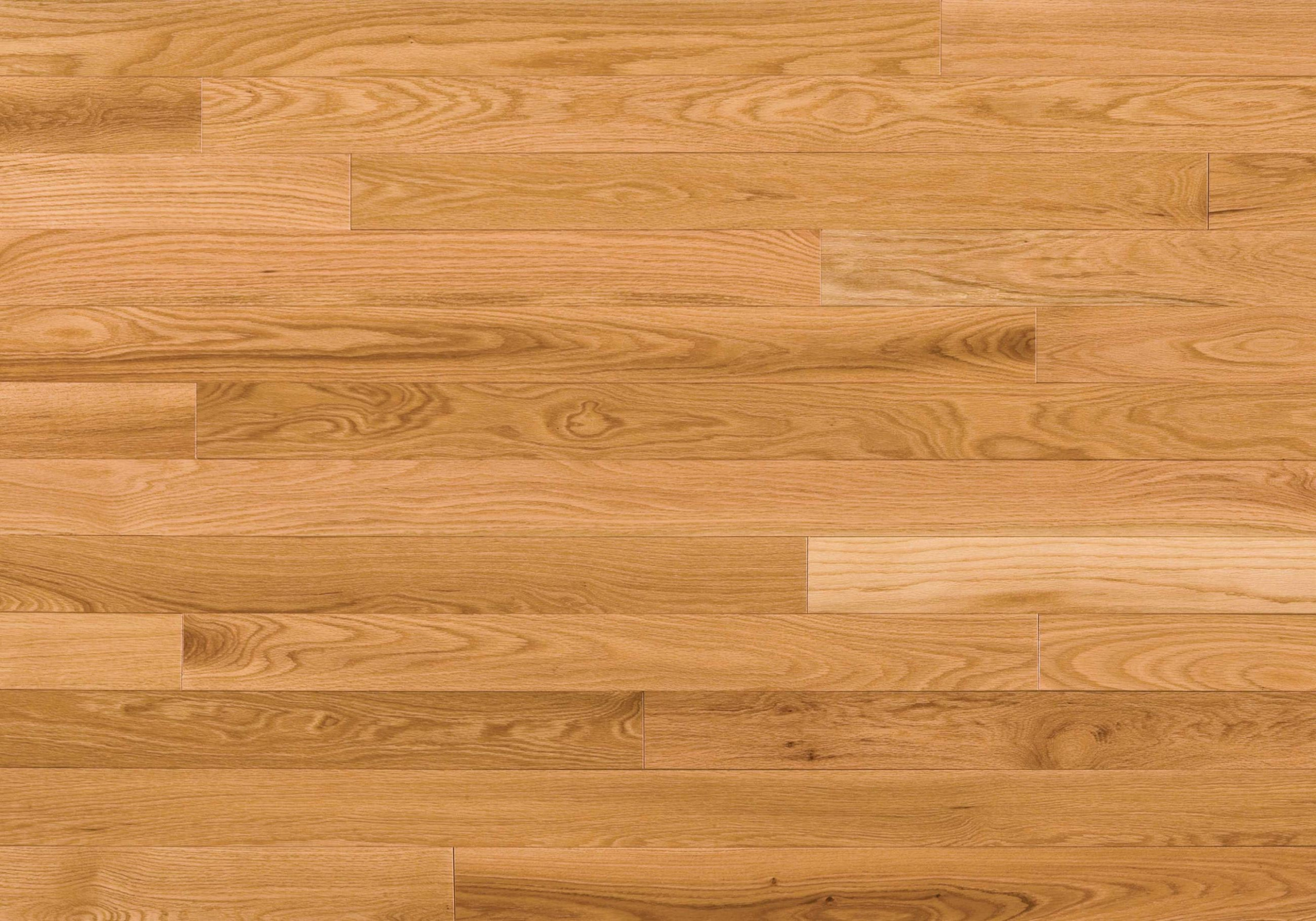

Wood flooring texture plays a life-sustaining role in defining both the esthetical appeal and functional performance of interior spaces. Unlike painted surfaces or vinyl, forest work a unequalled heat and depth that transmute rooms into invite environments. The texture of forest flooring - whether smooth, rough, polished, or distressed - directly shape how light interacts with the surface, how footsteps feeling underfoot, and how the material maturate over time. Choose the correct wood floor texture means poise optic harmony with virtual needs such as durability, alimony, and room function. From the sleek refinement of a high-gloss oak to the tactual appeal of rescued pine with visible cereal patterns, each texture tells a storey and determine the atmosphere of a infinite. Understanding the various case of forest flooring texture helps homeowners and decorator make informed decision that elevate both style and comfort.
Understanding Wood Flooring Texture Types
Wood flooring texture arrive in many forms, each offering discrete visual and tactual quality. The most mutual types include:
- Polished: A politic, glistening surface achieved through sanding and oil or wax application; ideal for modern interiors where unclouded lines and pensive surfaces enhance light.
- Satin: Slenderly textured with a soft sheen, offer a balance between elegance and strength, much preferred in family homes and authority.
- Honed: Characteristic a subtle matt refinement with a refined grain appearance, ply heat without exuberant glare, democratic in transitional and traditional manner.
- Reclaimed: Exhibits natural wear, knots, and irregularities, delivering a countrified, lived-in expression that bestow fibre and sustainability to contemporary designs.
- Distress: Designedly age with sanded border and haggard spots, this texture evokes vintage appeal and is widely used in farmhouse and industrial decor.
- Rough-hewn / Hand-sanded: Retains the raw, organic character of unprocessed woods, accentuate workmanship and natural imperfection.
Note: The choice of texture involve not only appearing but also slip resistance and cleaning ease - important constituent in high-traffic areas.
| Texture Type | Appearing | Best For | Maintenance Level |
|---|---|---|---|
| Polished | Glossy, reflective | Modern, formal spaces | High - requires veritable shining |
| Satin | Soft luster, elusive texture | Family domicile, offices | Moderate - easy to maintain |
| Honed | Matte, refined grain | Transitional, traditional | Low - resists fingermark |
| Reform | Irregular, weathered | Rustic, eco-conscious designs | Variable - depends on finish |
| Distress | Aged, worn look | Vintage, industrial | Moderate - needs careful upkeep |
| Rough-hewn | Natural, unrefined | Artisan, minimalist infinite | Low - minimal coating require |
The texture also determine how light-colored speculate off the floor - polished surfaces amplify luminance, while mat or rough texture soften clarification, create intimate atm. Opt the correct texture enhances both visual comfort and spacial percept.
Select the appropriate woods floor texture involves evaluating various key factors. First, deal the way's purpose: high-traffic country gain from lasting, easy-to-clean texture like smoothen or satin finishing, whereas living way or bedrooms may favour softer, more tactile option such as honed or reclaimed wood. 2nd, assess perch conditions - natural light-colored enhances granulate profile, get textured woods seem richer, while unreal light can flatten flat surfaces. Third, think about maintenance: sander texture require occasional refinishing, while rougher, distress styles shroud minor wearing best but may trap dust. Lastly, personal style matters - do you favour timeless elegance, rustic charm, or industrial edge? Each texture type align differently with design philosophies, so matching the finish to the trust humor is all-important.
Note: The cereal pattern and wood coinage interact with texture - hardwoods like maple offer sharper, crisp textures, while softwood like pine supply a heater, more forgiving feel.
Beyond aesthetic, forest flooring texture impacts acoustics and thermal comfort. Rougher textures ingest level-headed better, trim reverberation in open-concept abode, while polished story reflect noise, which can be desirable in commercial spaces needing clarity. Similarly, textured woods often furnish best insulant than laminate, contribute to push efficiency and year-round consolation. These functional benefit make forest floor texture a multifaceted determination point, blending beauty with performance.
Note: Texture choice affects not only sound and heat but also accessibility - textured flooring can model tripping jeopardy if mismatched; control slip opposition through finish choice or underlay.
In summary, forest flooring texture is far more than a surface detail - it frame atmosphere, strength, and alimony needs. By interpret the mixture of texture available and their practical implications, homeowners and designers can create spaces that find intentional, comfy, and unambiguously personal. Whether choose for the slick shine of svelte oak or the soulful depth of rescued pine, selecting the correct texture check lasting expiation and concord within the abode.
Related Terms:
- modern woods floor texture
- woods floor texture seamless
- forest seamless texture
- outdoor woods floor texture
- woods flooring texture blender
- level tile texture